Reduction Concentrates Everything
Reduce a stock before you season it, or you will be pouring the mistake in.
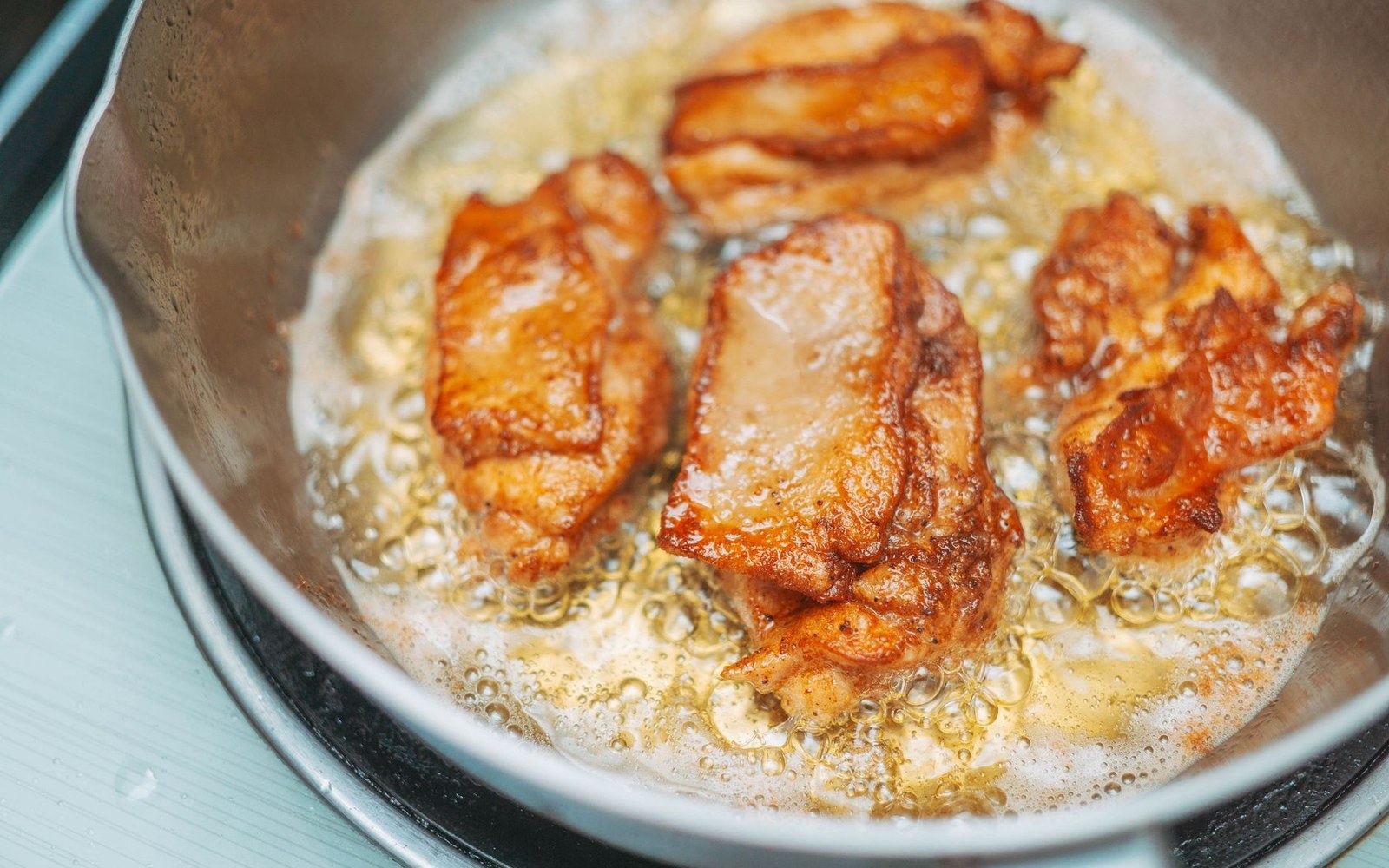
The Logic of Evaporation
When stock simmers uncovered, water escapes as steam. The liquid volume falls; the dissolved solids — gelatin, sugars, denatured proteins, rendered fat — stay behind and crowd together. Flavour intensifies. The body thickens. This is reduction, and it is one of the few cooking processes that asks almost nothing of you except patience and an unseasoned pot.
The trap is salt. Salt dissolves in water and stays there. Reduce a well-salted stock by half and you have concentrated not only the good things but the sodium. Reduce it by three-quarters and the result is close to undrinkable. The order of operations is therefore fixed: reduce first, taste, then season. Always in that sequence, never reversed.
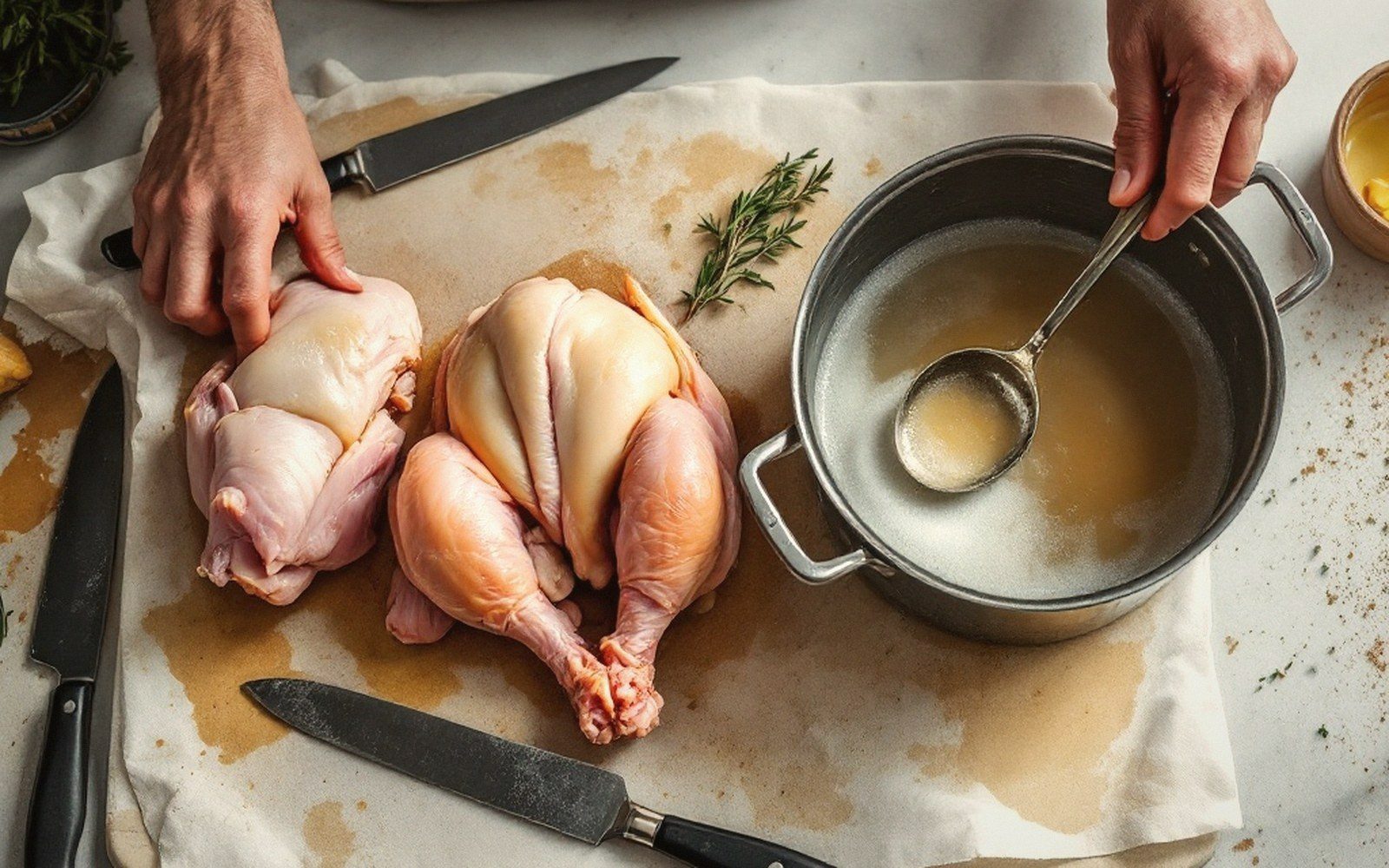
The same principle applies to any liquid that joins the reduction midway — a splash of wine, a pour of cream, a spoonful of the braising liquid from the pan. If any of those was already salted, factor it in. A pan sauce built on a well-seasoned braise needs almost nothing added at the end; the reduction has done the work already.
What Else Concentrates
Acids behave like salt: they do not evaporate, so they sharpen as the liquid shrinks. A sauce made from a slightly acidic braising liquid can become aggressively sour if driven down too far, too fast. This is usually fixed by a small amount of butter or cream stirred in off the heat, which rounds rather than corrects.
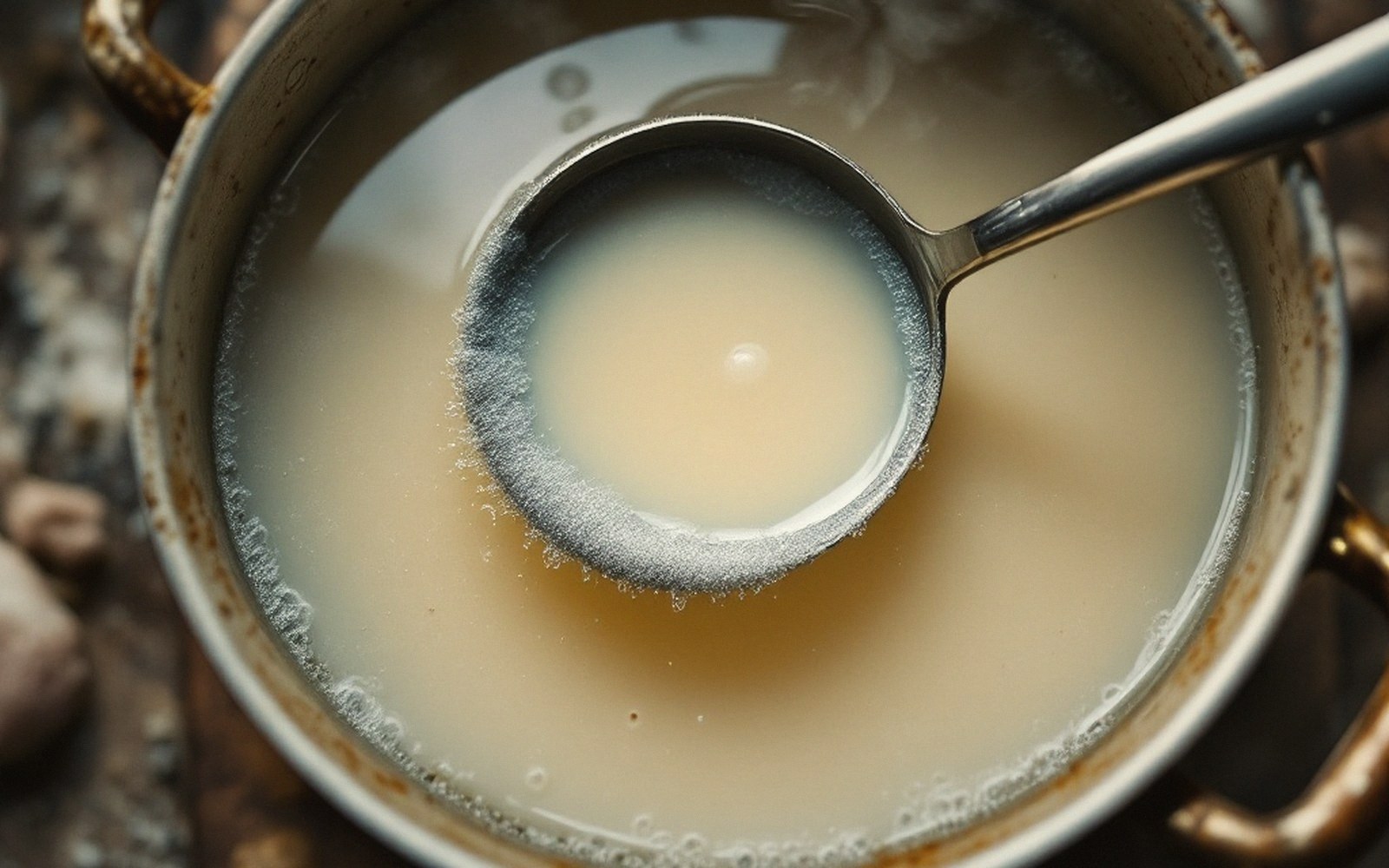
Fat skimmed carelessly — or not at all — causes its own problem. Emulsified fat can make a reduction cloudy and slightly greasy on the palate. Skimming during the early stages of a stock keeps the reduction clean, and a clean reduction finishes better.
Temperature matters too. A hard boil drives water off faster, but it also churns the liquid, which muddies a delicate sauce and risks scorching the solids that cling to the sides of the pan. A brisk, steady simmer — active enough to see movement at the surface, controlled enough to keep the liquid clear — is the right pace for most reductions. Wide, shallow pans reduce faster than tall, narrow ones, because more surface is exposed to air.
The finished result, pulled at the right moment, should coat a spoon and taste of itself completely. Not of water, not of salt, not of the pan — just of the bird it came from, made more itself than it was an hour ago. That concentration is the whole point of the exercise.
A sauce made from a slightly acidic braising liquid can become aggressively sour if driven down too far, too fast.
A Chicken in the Kitchen is an independent guide to understanding poultry cookery. It is not a restaurant, retailer or nutrition service.