The Plain Roast
The hardest preparation to do well, because there is no sauce to adjust, no liquid to correct and nothing to hide behind.
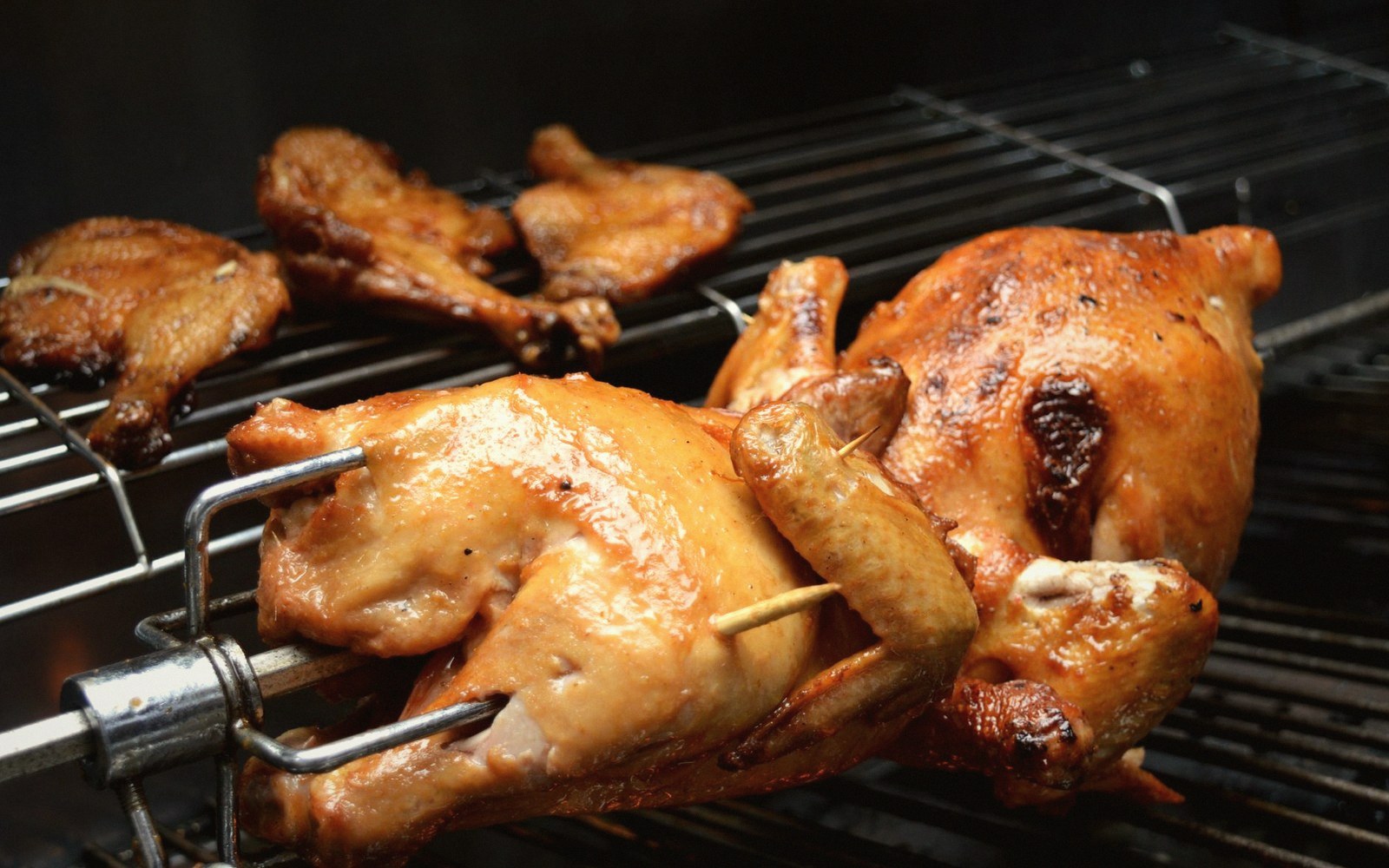
Temperature, Position and Knowing When to Stop
A braise forgives. A poach has a narrow window but a gentle one. The plain roast offers no such mercy: the bird is exposed, the heat is direct, and every mistake shows up on the plate in plain sight.
The difficulty is structural. Breast and thigh are different muscles with different compositions, and they want different finishing temperatures — the breast done earlier, the thigh needing more time to soften its connective tissue. A roast presents both at once to the same oven. Most of the technique in plain roasting is the management of that gap.
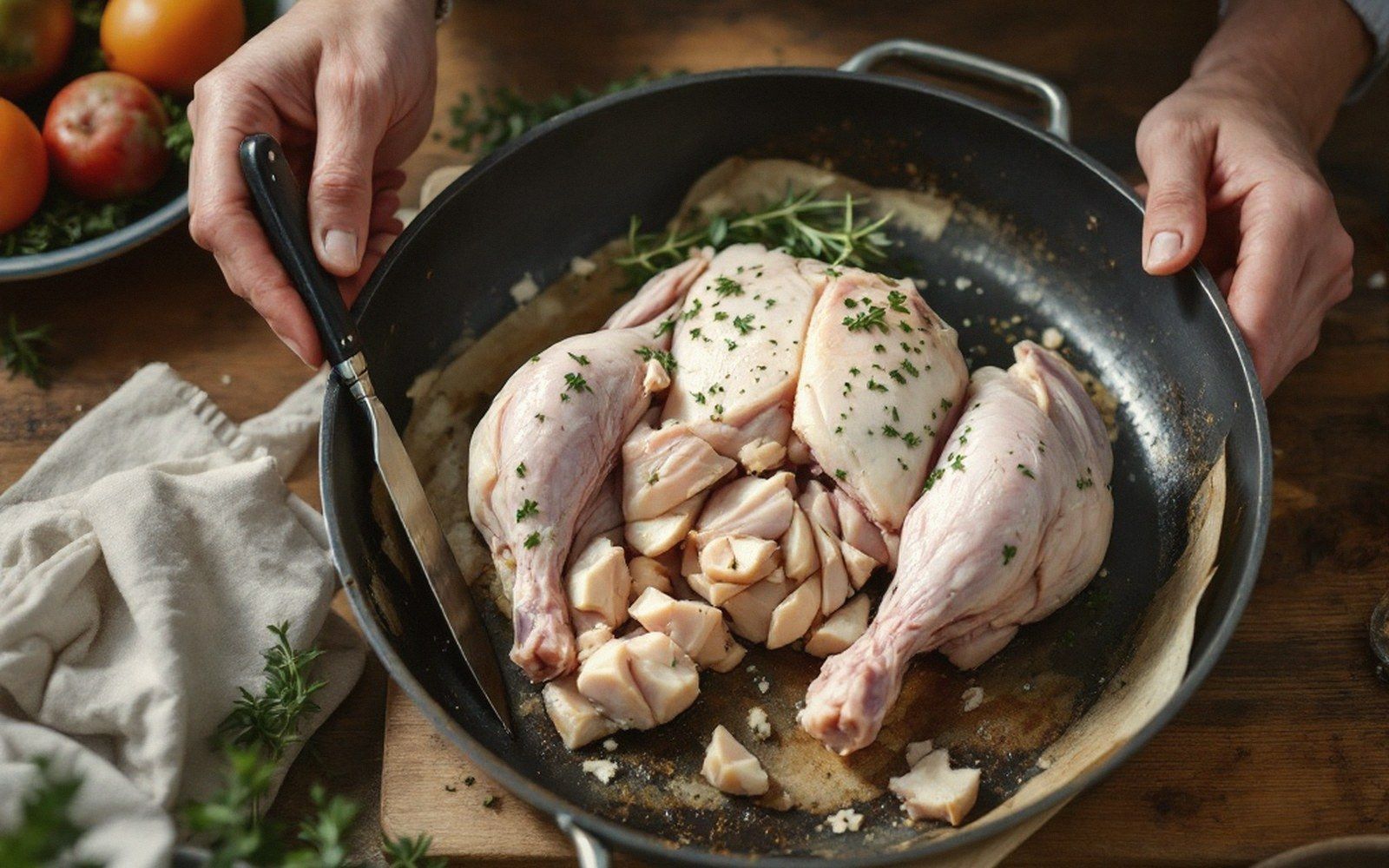
Position matters more than most recipes admit. Starting the bird breast-side down for the first portion of cooking slows the breast while the thigh catches up; flipping it breast-side up for the final stretch lets the skin colour and tighten. Some cooks start with a very high oven, then drop the temperature — same logic, different axis. Either approach is a deliberate attempt to compress the gap that anatomy opened.
Where the bird sits in the oven matters too. A roasting rack lifts the carcass clear of the pan so hot air circulates under the thighs rather than letting them steam in their own drippings. Without it, the underside stews. A cast-iron pan or heavy roasting tin holds heat better than a thin sheet and browns the drippings without scorching them — those drippings are the unwritten third component of the dish.
The thermometer settles the question of doneness with more authority than any colour or running-juice test.
The thermometer settles the question of doneness with more authority than any colour or running-juice test. Probe the thigh at its thickest point, away from bone. When it reads correctly, pull the bird and let it rest uncovered — carryover will carry the breast a few degrees further while the thigh holds its heat.
Resting is not optional sentiment. The muscle fibres that tightened under heat need time to relax and reabsorb the moisture they pushed toward the centre. Cut too early and that moisture runs straight onto the board, not into the meat.
The plain roast is an exercise in restraint. No marinade, no stuffing, no sauce to construct after — just salt applied early enough to matter, dry skin going into a hot oven, and the patience to wait before the knife goes in. The preparation that looks simplest is the one where every shortcut is visible.
A Chicken in the Kitchen is an independent publication about cooking. It is not a restaurant, retailer or nutrition service.