Getting the Skin Right
Water first, then fat — until that order is clear, the skin will never crisp.
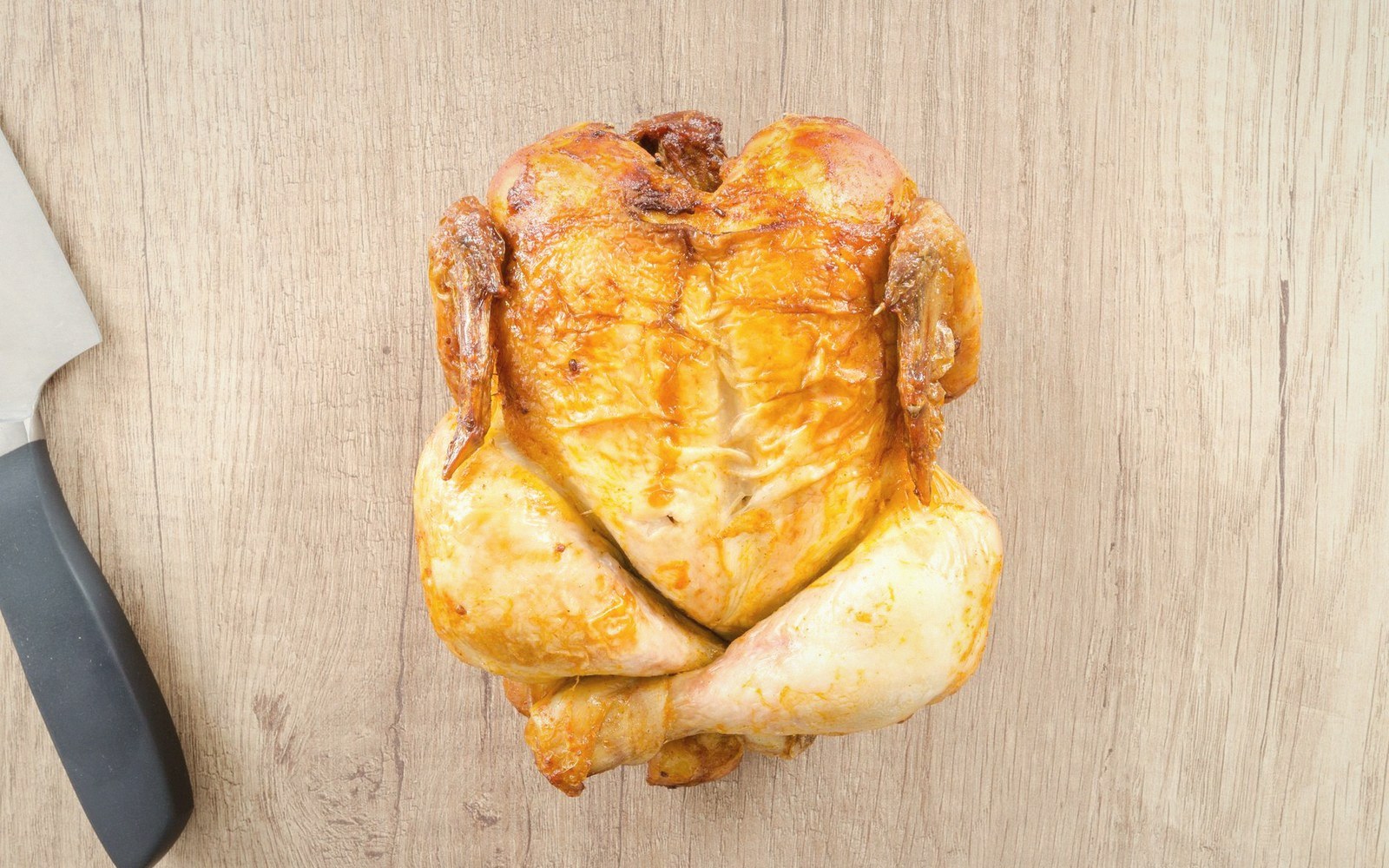
The Problem Is Moisture, Not Method
Chicken skin is a layer of fat held inside a matrix of collagen and water. To crisp it, you need to drive out that water and render the fat underneath — ideally before the skin proteins set and lock everything in place. The obstacle is almost always moisture on the surface that you brought to the pan yourself.
A bird pulled straight from the refrigerator packaging carries surface water from the brine it was processed in and condensation from the bag. Put that into a hot pan or a hot oven and the first thing the heat does is convert that water to steam. The skin steams rather than fries, the proteins set soft, and no amount of additional heat will undo it. You can cook it another twenty minutes and achieve nothing but a tougher, still-pale result.
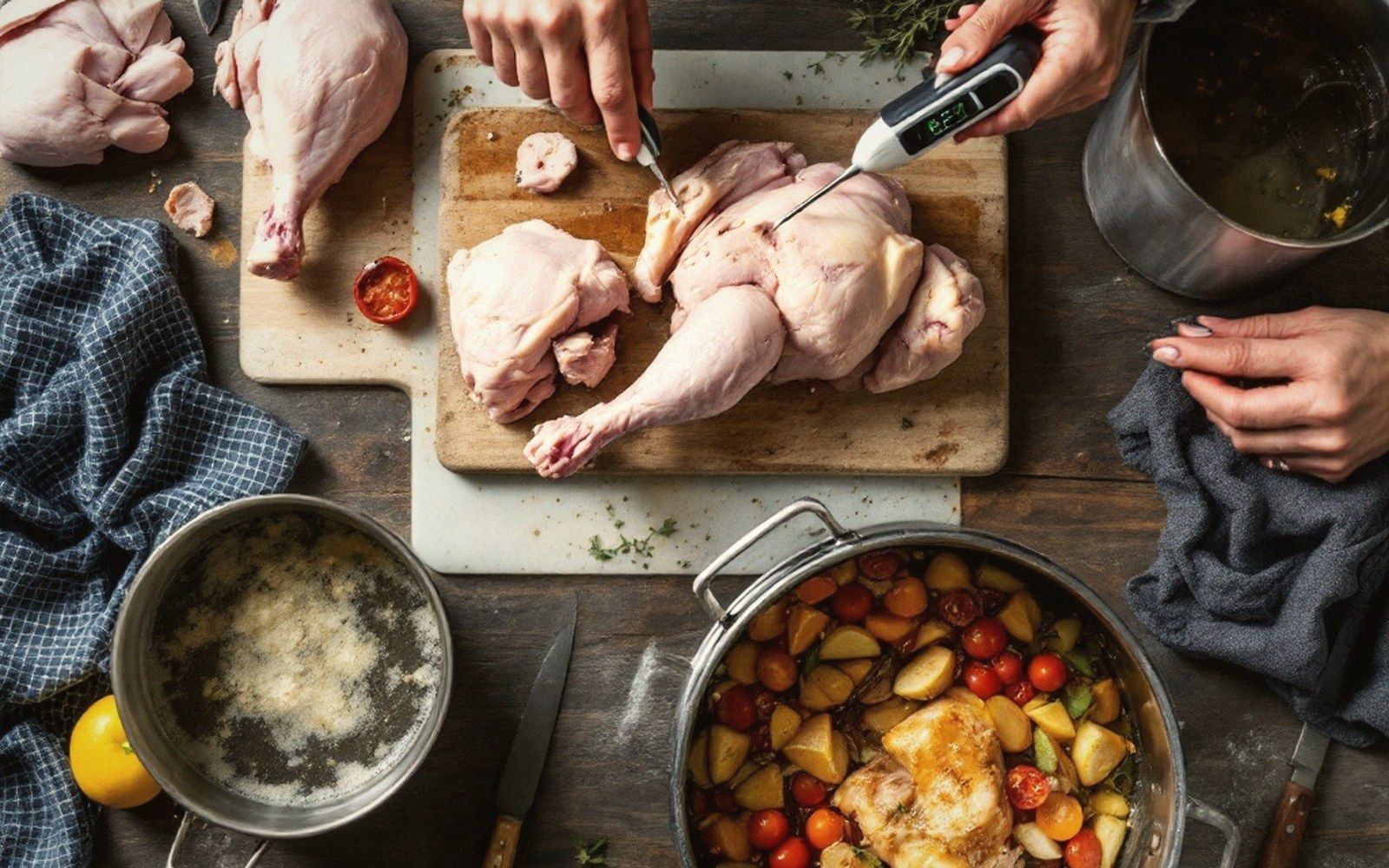
The fix is unglamorous: pat the bird dry with kitchen paper, then leave it uncovered in the refrigerator for at least an hour, and overnight if you have the foresight. Air circulating over the surface pulls moisture away from the skin continuously. What you put into the oven should feel dry to the touch and slightly tacky — not slick.
Starting Temperature and the Rendering Window
Cold fat renders slowly. If the bird goes into a moderate oven from refrigerator temperature, the fat under the skin spends a long time barely warm before it begins to liquefy and escape through the pores. In that window, the collagen is still soft, the skin still pliable — and if the oven is not hot enough, the fat never fully renders before the exterior sets.
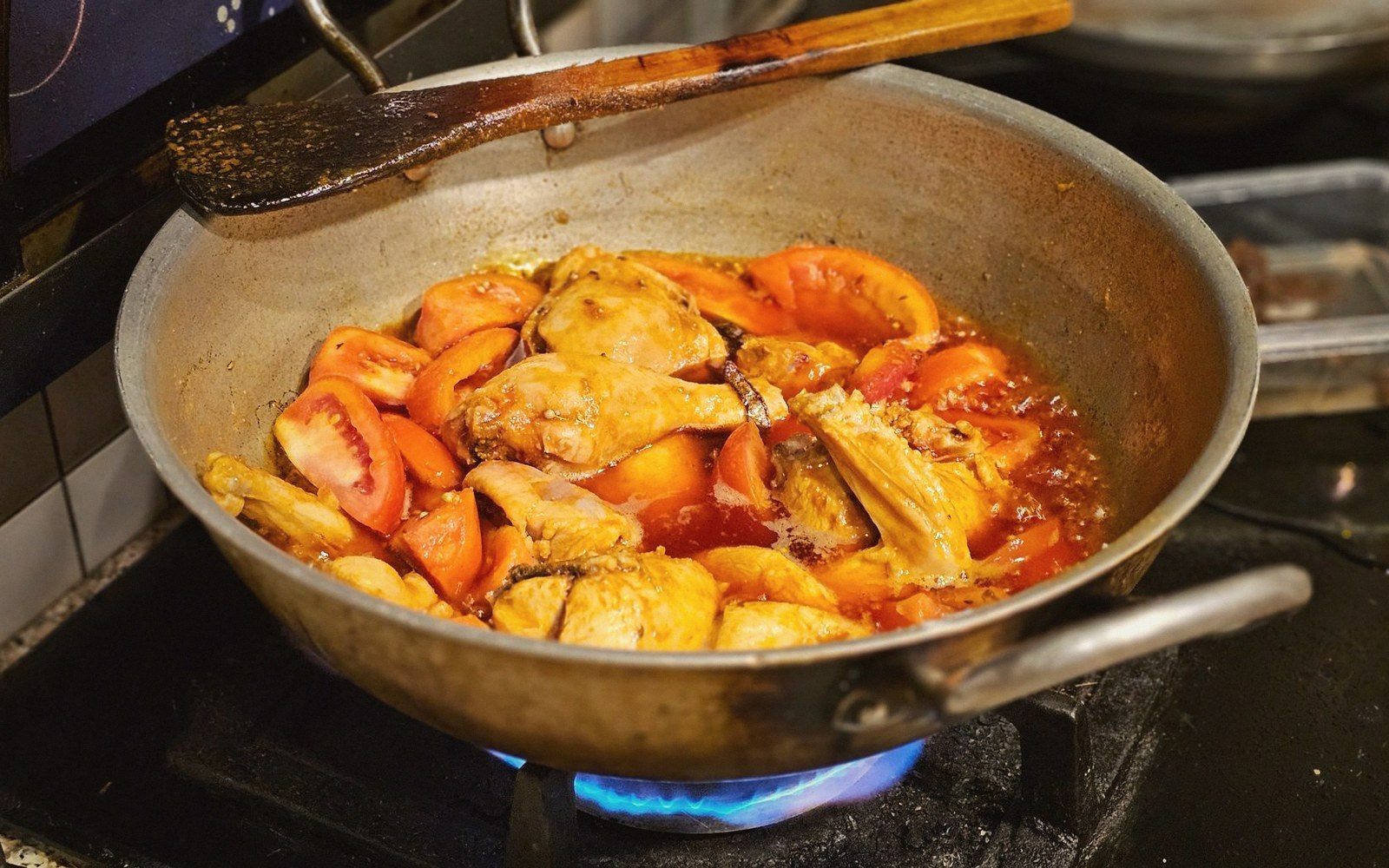
A higher starting heat — or starting the bird in a screaming-hot pan skin-side down before finishing in the oven — solves this by compressing the rendering window. The fat moves quickly, the water that remains flashes out, and the skin begins to colour while it still has the physical looseness to crisp. Once the collagen firms and the proteins set, the moment has passed.
Air circulating over the surface pulls moisture away from the skin continuously.
This is also why a dry-brined bird crisps more reliably than an untreated one. Salt applied hours ahead draws moisture out of the skin, then allows it to be reabsorbed into the muscle — leaving the surface drier than it would otherwise be at the moment of cooking.
One rule covers everything: water delays the Maillard reaction, and the Maillard reaction is the entire point. Remove the water early, apply heat fast enough to render before the proteins set, and the skin takes care of itself.
A Chicken in the Kitchen is an independent guide to cooking. It is not a restaurant, retailer or nutrition service.