Why the Pan Matters More Than the Recipe
The vessel does the actual cooking. Heat, mass and material determine whether chicken browns or stews in its own steam — and no recipe can fix the wrong pan.
The Physics Hiding in the Cupboard
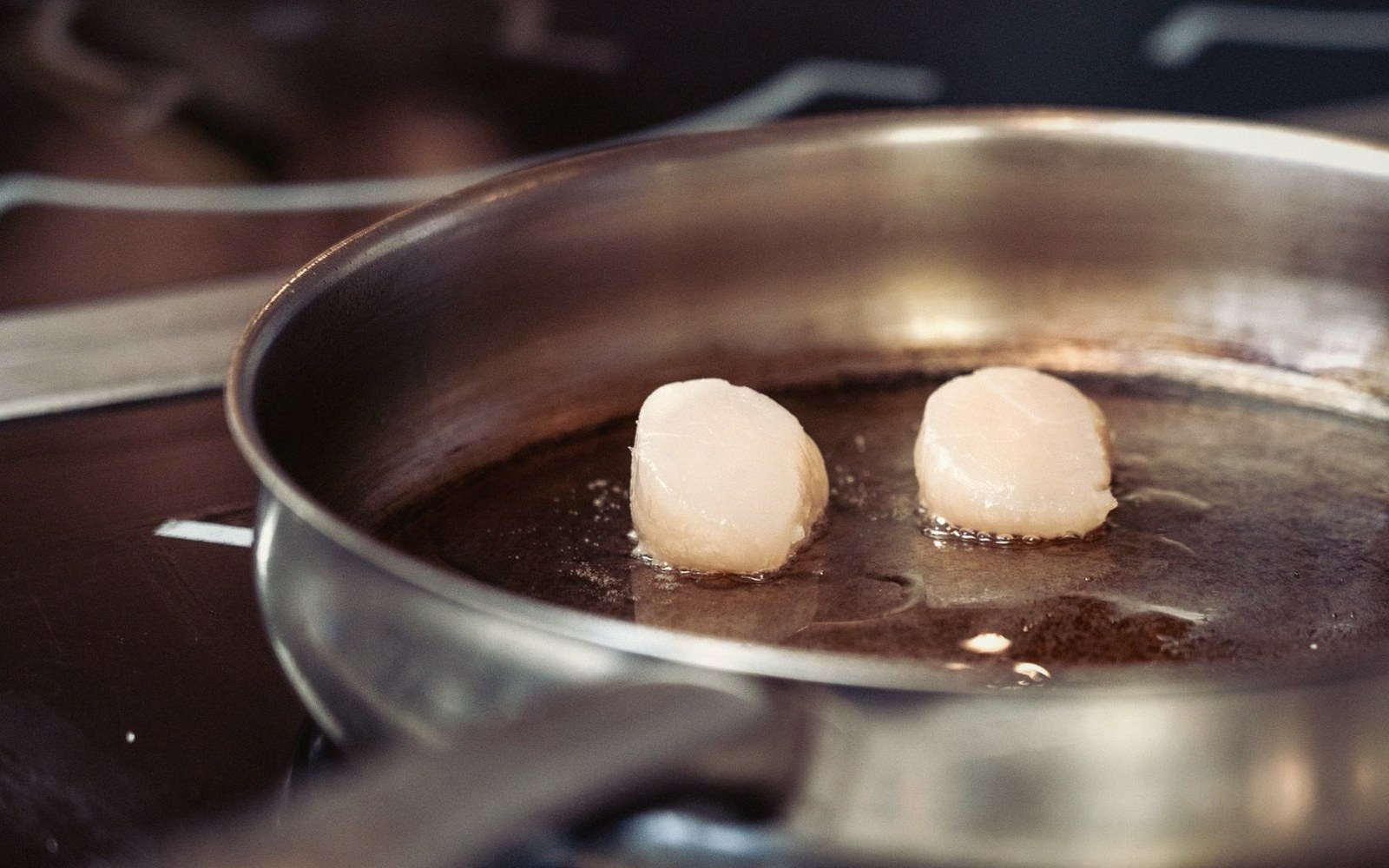
A chicken thigh laid in a cold, light pan tells the story immediately. The metal temperature drops, moisture releases from the surface, and for the next two minutes the meat sits in its own steam rather than making contact with a hot surface. The result is grey, not golden — not because the technique failed but because the tool did.
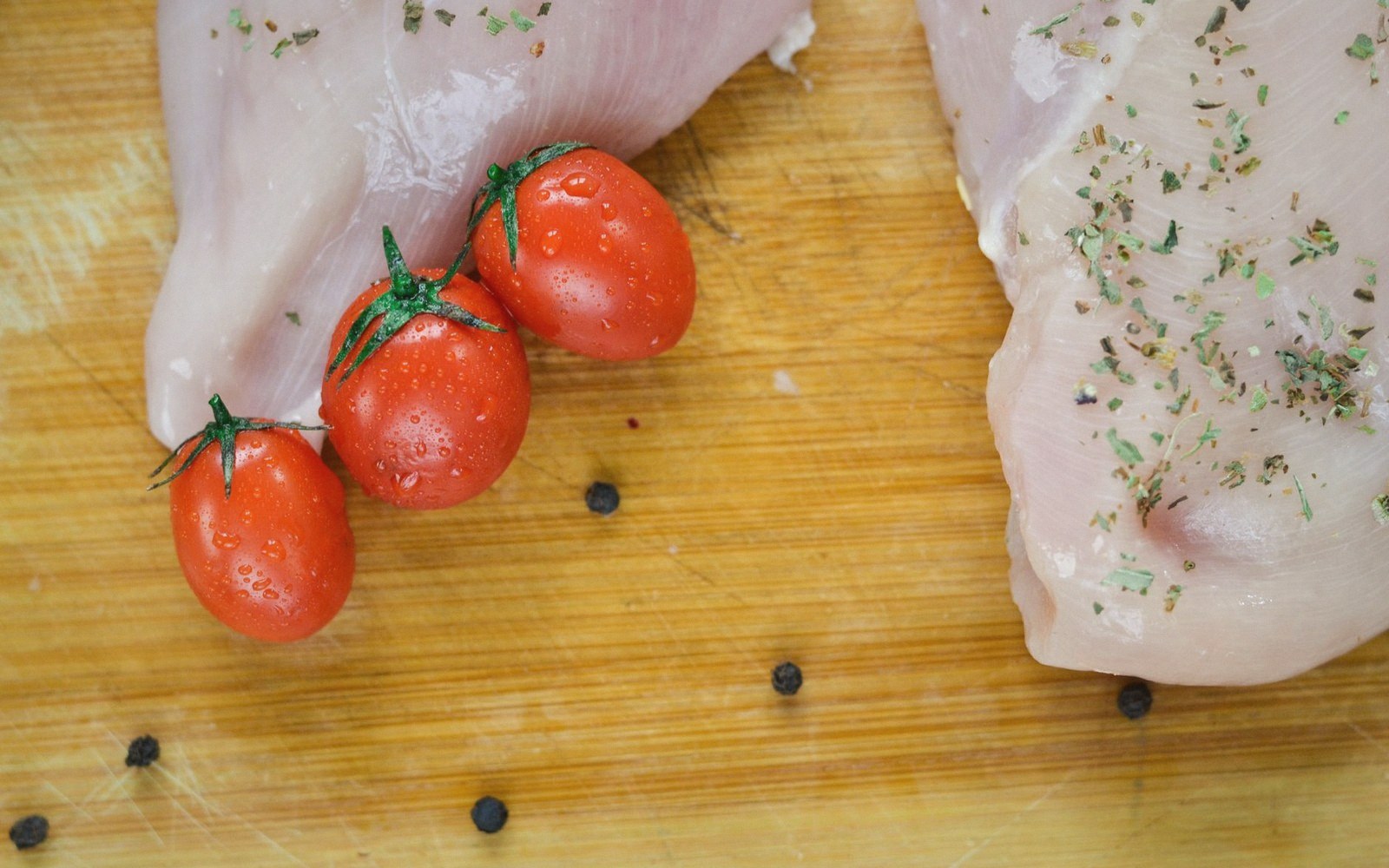
Mass is the first variable. A heavy pan — cast iron, carbon steel, thick stainless — holds a charge of heat when something cold lands in it. A thin pressed-steel pan gives up that charge almost instantly. Thermal mass is not a luxury; it is the mechanism that keeps the surface temperature above the point where the Maillard reaction runs. That reaction, the browning of proteins and sugars under dry heat, needs a surface above roughly 140 °C (285 °F). Drop cold meat into a thin pan and the surface temperature falls below that threshold within seconds, before a crust can form.
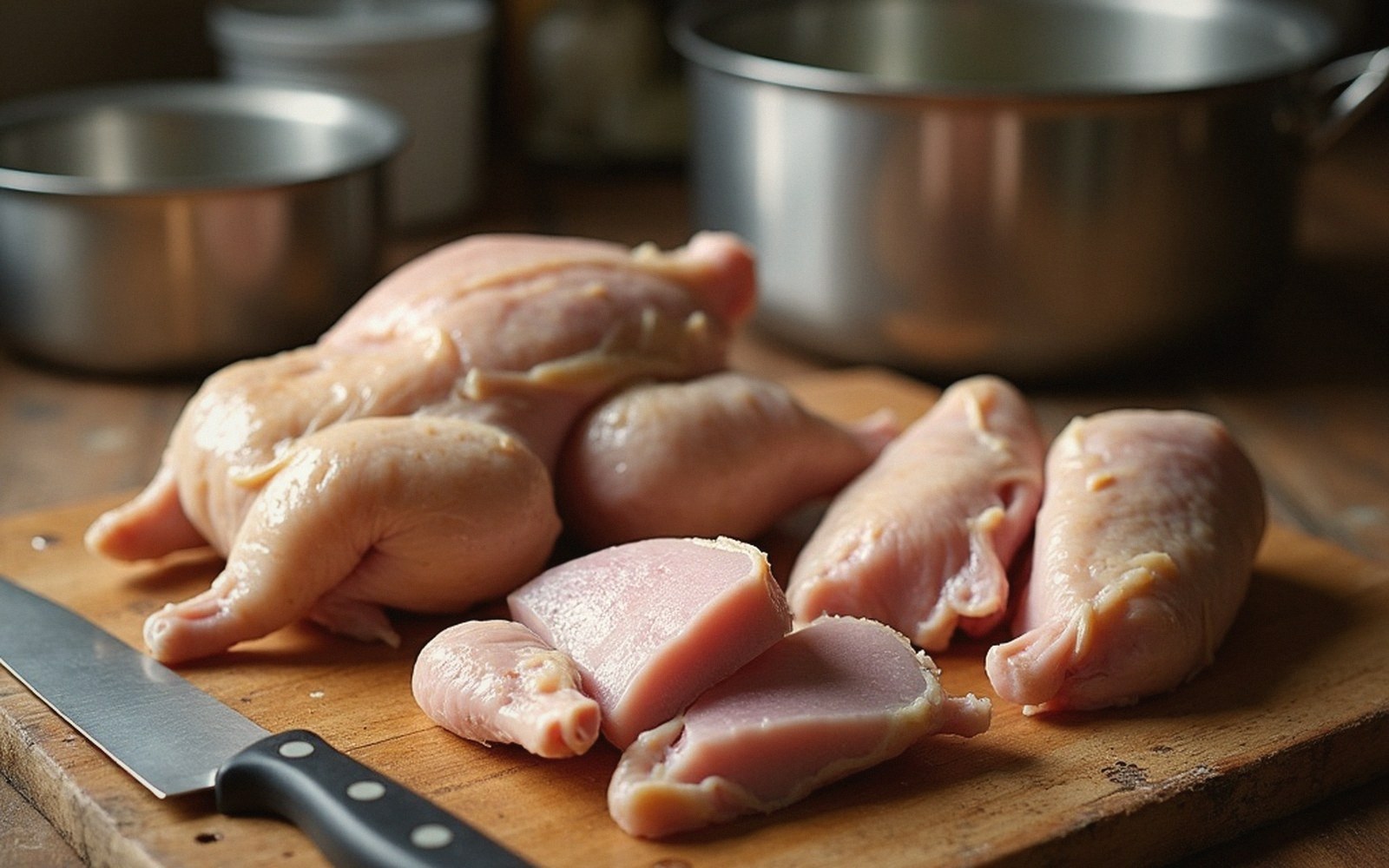
Material matters for a different reason: how the surface conducts heat laterally. Copper spreads heat so evenly that hot spots almost disappear, which matters for delicate sauces but less so for searing. Cast iron conducts less evenly but retains heat extraordinarily well, making it suited to hard sears where you want to stay at high temperature across a long contact. Stainless steel — particularly the heavier clad versions — balances the two well enough for most chicken work. Non-stick surfaces, by design, prevent the fond from forming: the browned proteins that stay stuck to the pan are exactly what a pan sauce built by deglazing depends on.
Crowding defeats all of it. Each piece of chicken carries water; as the meat heats, that water escapes as vapour. A pan with adequate surface area lets steam disperse into the kitchen. A crowded pan traps it, the temperature drops and the cooking shifts from searing to braising — different physics, different outcome. The rule is not aesthetic fussiness: it is that steam cannot brown anything.
None of this appears in a recipe, because recipes describe ingredients and times, not thermodynamics. But the pan is part of the cooking process in the same sense the oven is — not a passive container but an active participant. Choose one that is heavy enough to hold heat, sized to keep pieces separated, and made of a material that suits the task. Technique does the rest.
A Chicken in the Kitchen is an independent publication about cooking. It is not a restaurant, retailer or nutrition service.
Stainless steel — particularly the heavier clad versions — balances the two well enough for most chicken work.